

Affiliate marketing is earning commissions by promoting products or services of other companies. Have you ever dreamed of a business that allows you to work from anywhere, on your own terms, and potentially create a significant income stream without ever handling inventory or customer service? This guide will demystify what is affiliate marketing, transforming it from a buzzword into a clear, actionable path for anyone eager to tap into the boundless potential of online entrepreneurship.
What is Affiliate Marketing and How Does It Work?
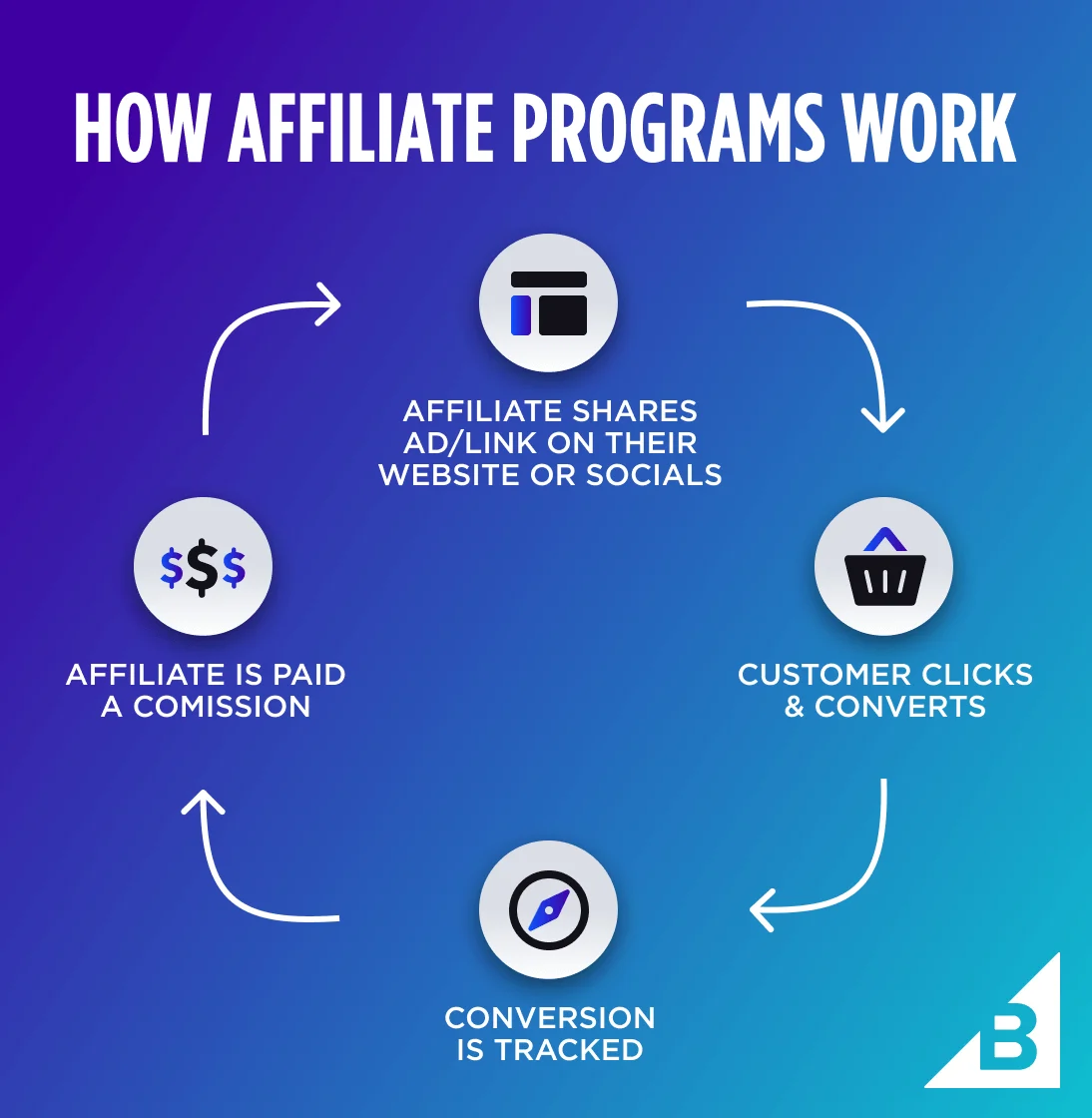
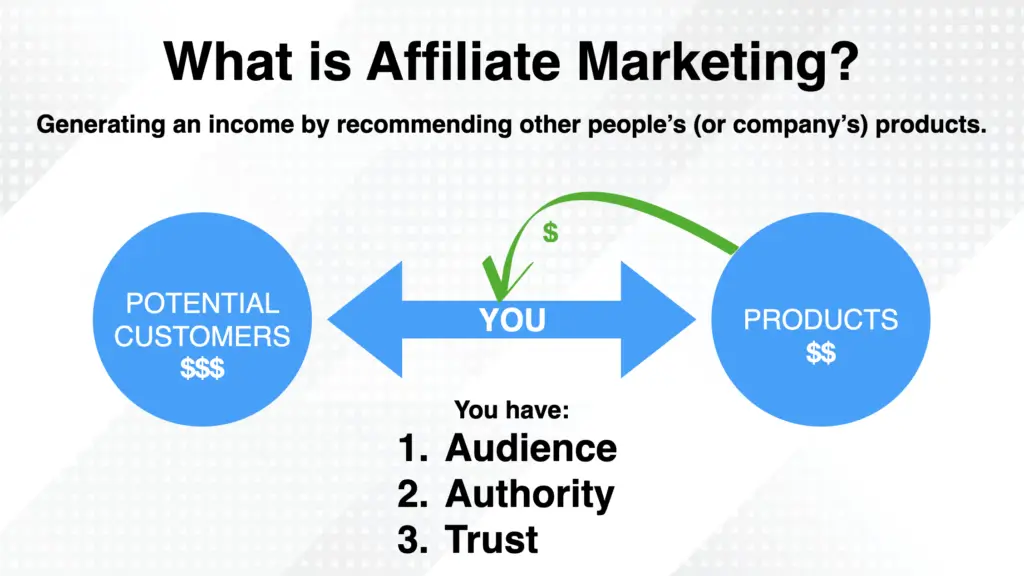
At its core, affiliate marketing is a performance-based marketing strategy where businesses reward one or more affiliates for each visitor or customer brought by the affiliate's own marketing efforts. Think of it as a dynamic partnership: you, the affiliate, connect potential customers with products or services they might love, and in return, you earn a piece of the pie when a sale or lead is generated. Understanding what is affiliate marketing means recognizing its symbiotic nature, benefiting both the product creator and the promoter.
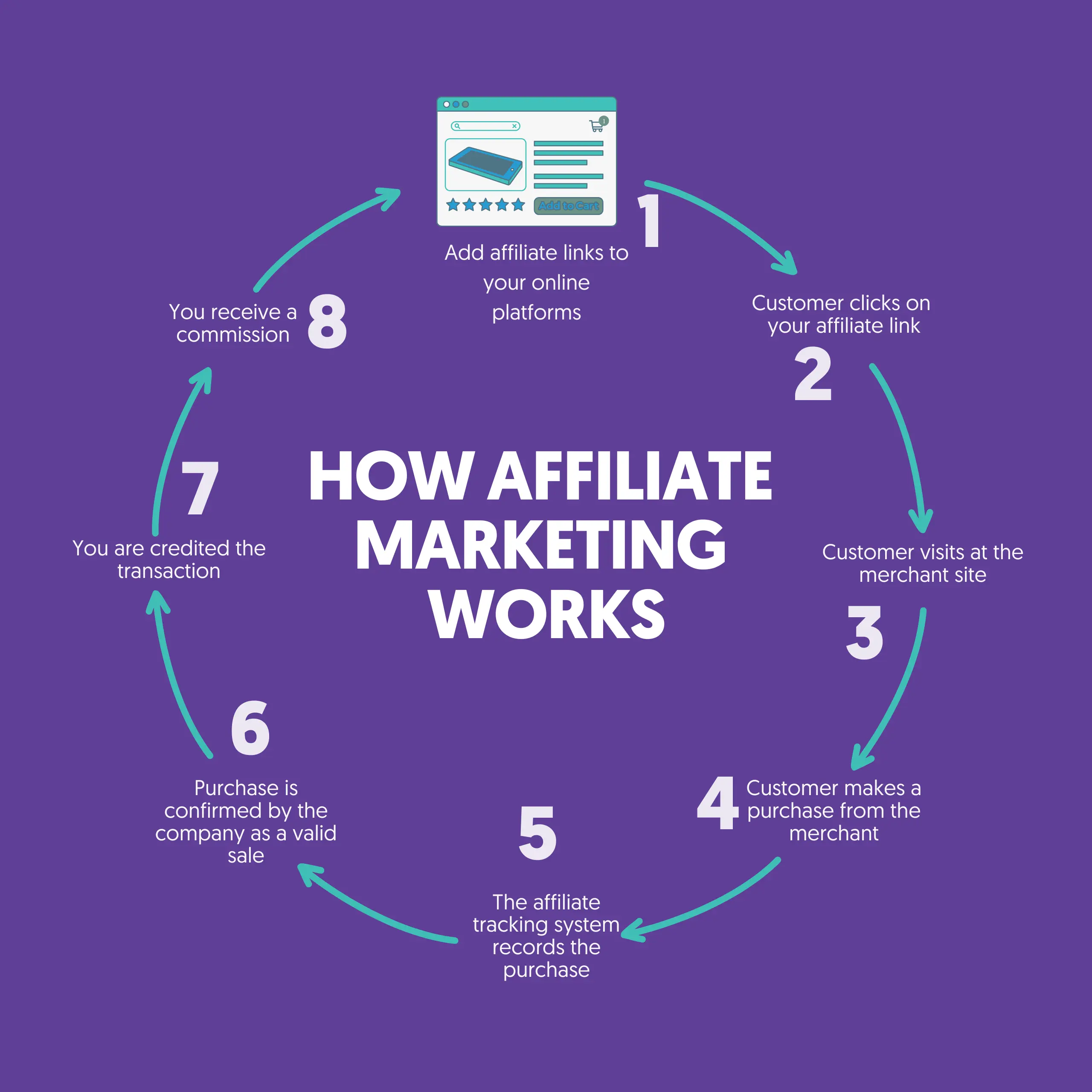
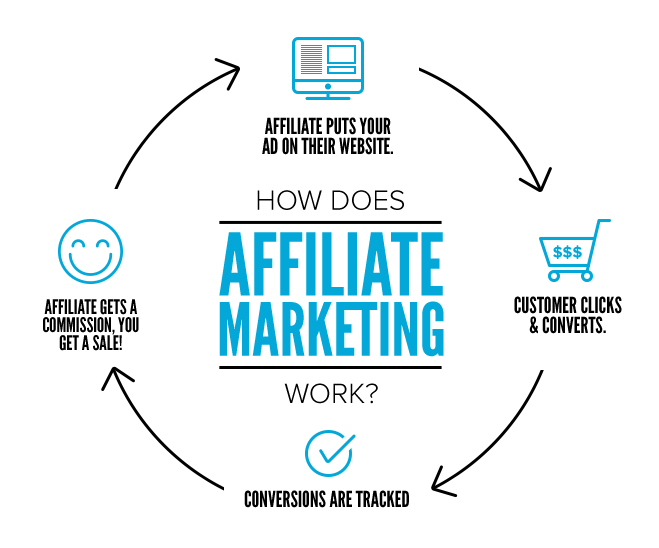
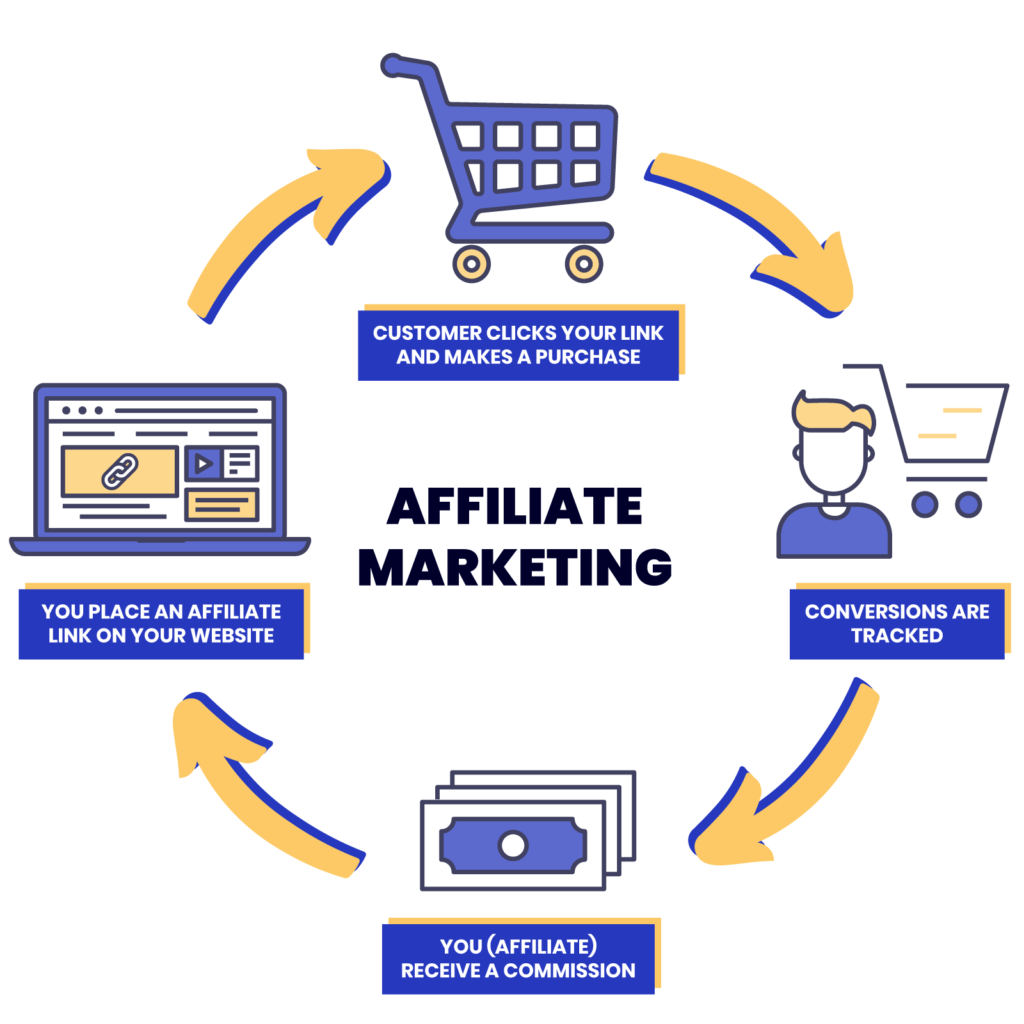
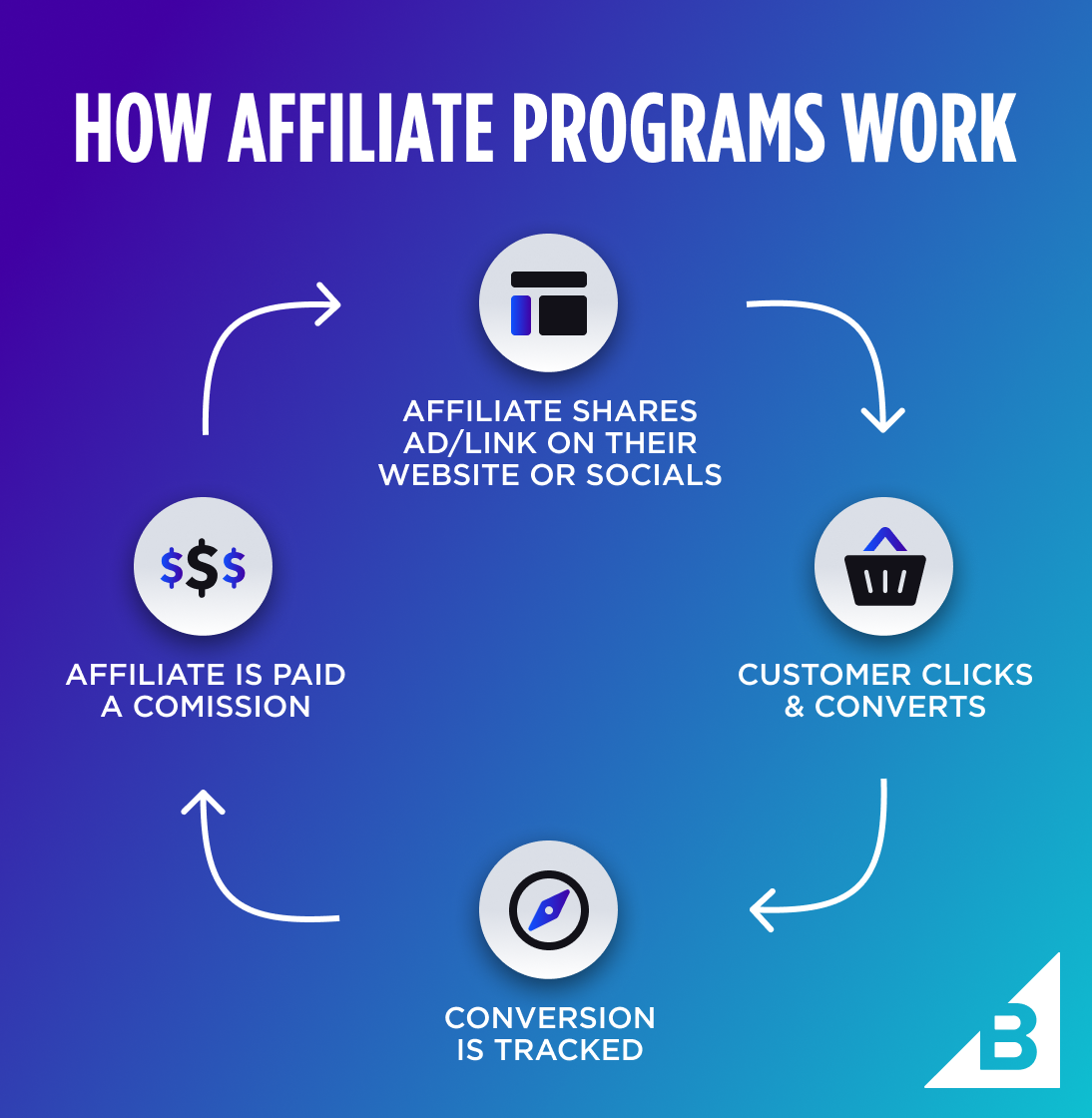
The process typically involves four key players: the merchant (or product creator), the affiliate (or publisher), the consumer, and the affiliate network. The merchant creates the product, the affiliate promotes it, the consumer makes a purchase, and the affiliate network often acts as an intermediary, handling tracking, payments, and reporting. When a customer clicks your unique affiliate link and completes a desired action, like making a purchase or signing up for a service, the network tracks this event, attributing the action to your efforts. This simple yet powerful mechanism is the bedrock of what is affiliate marketing, making it accessible to a wide range of individuals.
The Power of Partnership: Why Affiliate Marketing is a Game-Changer
Affiliate marketing has revolutionized how individuals can enter the world of online business, offering unparalleled flexibility and opportunity. One of its most compelling advantages for affiliates is the low barrier to entry. Unlike traditional businesses, you don't need a large startup capital, inventory, or even your own product to get started. You simply leverage existing products and market them to an audience. This significantly reduces financial risk, making what is affiliate marketing an attractive option for aspiring entrepreneurs.
For me, the freedom that comes with affiliate marketing was a huge draw. I remember starting with just a small blog, sharing honest reviews of products I genuinely used and loved. There was no pressure to handle customer queries or product shipping; my sole focus was on connecting with my audience and providing value. This flexibility allows you to work from anywhere in the world, set your own hours, and scale your efforts as you grow. Merchants also benefit immensely, gaining cost-effective marketing that only pays out on successful conversions, expanding their reach without upfront advertising costs. It truly is a win-win scenario, solidifying why what is affiliate marketing continues to grow.
Navigating the Landscape: Key Components of an Affiliate Marketing System
To truly grasp what is affiliate marketing, it's essential to understand the underlying infrastructure that makes it all tick. Affiliate networks are central to this, serving as platforms that connect merchants with affiliates. Think of them as marketplaces where merchants list their products or services with commission details, and affiliates can browse and choose what they want to promote. Popular examples include Amazon Associates, ShareASale, CJ Affiliate, and ClickBank. These networks streamline the process, providing tracking tools, reporting, and payment processing, making it easier for both parties to manage their campaigns.
The tracking software used by these networks is incredibly sophisticated. Every affiliate is assigned a unique tracking link, and when a potential customer clicks this link, cookies are typically placed on their browser. These cookies ensure that if the customer makes a purchase within a specific timeframe (known as the cookie duration), the affiliate receives credit for the sale. Commission structures vary widely, offering different ways affiliates can earn. Cost Per Action (CPA) pays for specific actions like a sale or lead, Cost Per Lead (CPL) pays for new sign-ups, and in some cases, Cost Per Click (CPC) pays for clicks, though this is less common in pure affiliate marketing. Understanding these components is crucial to maximizing your earnings in what is affiliate marketing.
Getting Started: Your First Steps in Affiliate Marketing
Embarking on your affiliate marketing journey can feel overwhelming, but breaking it down into manageable steps makes it much clearer. The very first thing you need to do is select a niche. This isn't just about picking a product; it's about choosing an area you're passionate about, an audience you understand, and a problem you can genuinely help solve. When I first started, I initially tried to promote everything, thinking more products meant more sales. What I quickly learned, however, was that genuine connection and authority come from focusing on a specific area, whether it's sustainable living, pet care, or productivity tools. Your niche will guide your content and the products you choose to promote.
Once you have your niche, you need a platform. This could be a blog, a YouTube channel, a podcast, or even a strong social media presence. The platform you choose should align with how you best communicate and where your target audience spends their time. From there, it's all about creating valuable content. Whether it's detailed product reviews, helpful tutorials, comparison guides, or educational posts, your content should inform, entertain, and build trust with your audience. This content is where you naturally integrate your affiliate links. Remember, the goal isn't to just push products; it's to provide solutions and recommendations that genuinely help people. This foundational work is key to success in what is affiliate marketing.
Common Pitfalls and How to Avoid Them
Even with the exciting potential of what is affiliate marketing, there are common mistakes that can derail your efforts. One of the biggest pitfalls I encountered early on was falling into the trap of promoting anything and everything, simply chasing commissions without considering relevance or quality. This led to a lack of trust with my audience because I wasn't genuinely recommending products that aligned with my content or their needs. Always prioritize recommending products that you truly believe in and that provide value. Your audience is smart, and they can sense authenticity.
Another mistake is neglecting proper disclosure. Ethical affiliate marketing requires transparency. You must clearly state that you are using affiliate links and that you may earn a commission if someone purchases through your link. This isn't just a best practice; in many regions, it's a legal requirement. Additionally, don't fall for keyword stuffing or creating thin, unhelpful content just to rank. Google’s algorithms are sophisticated, prioritizing high-quality, valuable content. Focus on serving your audience first, and the search engines will follow. Avoiding these common errors is crucial for long-term success in what is affiliate marketing.
Advanced Strategies to Boost Your Affiliate Earnings
Once you've mastered the basics of what is affiliate marketing, several advanced strategies can significantly amplify your earnings and reach. Search Engine Optimization (SEO) is paramount; by understanding how to research keywords and optimize your content, you can attract organic traffic directly to your affiliate offers. This means creating comprehensive, authoritative content that answers user queries and naturally includes your affiliate links. For instance, if you're in the tech niche, a detailed comparison review of two popular gadgets, optimized for "best [gadget A] vs [gadget B]," can draw in highly motivated buyers.
Beyond SEO, consider building an email list. Email marketing allows you to communicate directly with your audience, nurturing leads and promoting offers over time. This creates a valuable asset that isn't reliant on algorithm changes. You can offer exclusive content, discounts, or early access to product launches, all while subtly integrating your affiliate recommendations. Furthermore, exploring paid advertising avenues like Google Ads or social media ads can provide a quick boost in traffic, but it requires careful budgeting and optimization to ensure a positive return on investment. The key is continuous testing, analysis, and refinement of your strategies to identify what resonates most with your audience and generates the best conversions in what is affiliate marketing.
Ethical Considerations and Building Trust in Affiliate Marketing
Trust is the most valuable currency in affiliate marketing. Without it, your audience will quickly disengage, and your efforts will falter. Therefore, a deep understanding of ethical considerations is integral to understanding what is affiliate marketing in the long run. Always be transparent with your audience about your use of affiliate links. This isn't just about legal compliance; it's about fostering an honest relationship. Clearly stating "This post contains affiliate links" or similar language builds credibility and shows respect for your readers.
Moreover, prioritize authenticity. Only promote products or services that you genuinely believe in and, ideally, have experience with yourself. If a product doesn't meet your standards or isn't relevant to your niche, don't promote it just for the potential commission. Your recommendations should always aim to provide value and solve a problem for your audience. Over time, this commitment to integrity will differentiate you, transforming casual readers into loyal followers who trust your recommendations implicitly. Remember, what is affiliate marketing at its best is about connecting people with solutions they need, not just pushing sales.

Frequently Asked Questions
Is affiliate marketing a get-rich-quick scheme?
No, affiliate marketing is not a get-rich-quick scheme. It requires consistent effort, patience, and a strategic approach to build an audience and generate sustainable income.
How much does it cost to start affiliate marketing?
You can start affiliate marketing with very little upfront cost, often just the price of a domain name and web hosting if you choose to build a website or blog. Many platforms like social media or YouTube allow you to start for free.
What kind of products can I promote?
You can promote almost any product or service that has an affiliate program, from physical goods like electronics and clothing to digital products such as software, online courses, and subscriptions. The key is to choose products relevant to your niche and audience.
Do I need a website for affiliate marketing?
While a website can be highly beneficial for building authority and attracting organic traffic, it's not strictly necessary. Many affiliates succeed by leveraging social media, YouTube, email marketing, or even paid advertising campaigns without a dedicated website.
How do affiliates get paid?
Affiliates typically get paid through affiliate networks, which track sales and commissions. Payments are usually made via direct deposit, PayPal, or check, often on a monthly basis once a minimum payout threshold is met.
Conclusion
Understanding what is affiliate marketing unveils a world of entrepreneurial possibilities, offering a flexible and rewarding path to online income. It’s a strategy built on value, trust, and connection, where your efforts to help others discover beneficial products are directly rewarded. By focusing on your niche, creating genuinely helpful content, and transparently recommending products you believe in, you can cultivate a thriving online business.
The journey might have its challenges, but the freedom and potential it offers are truly empowering. If you've been considering diving into the digital world, now is the perfect time to explore what is affiliate marketing and how it can align with your passions. Start building your platform today, share your unique insights, and watch as your recommendations transform into a powerful source of income. The tools are available, the opportunities are vast, and your potential is limitless.